



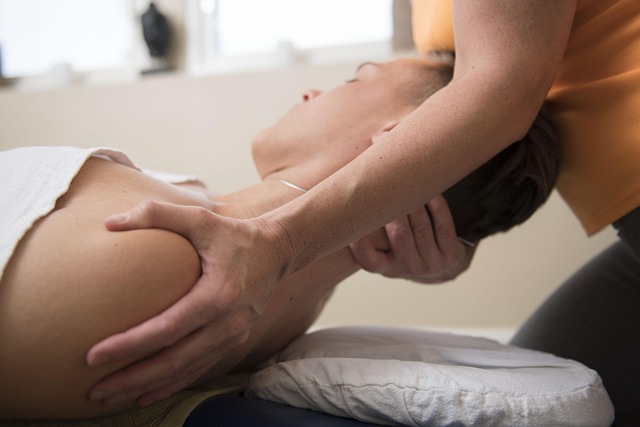
Range of motion (ROM) therapy, a dual approach combining passive and active exercises, is vital for recovery from car crash injuries and chiropractic adjustments. Passive ROM alleviates immediate pain and stiffness, while active ROM strengthens muscles and prevents future injuries. This comprehensive method ensures short-term relief and sustained functional ROM. Chiropractors tailor ROM therapy based on injury severity, symptoms, and treatment response, educating patients on home exercises for optimal outcomes. Early intervention and continued care are key to restoring range of motion after car crash injuries.
Range of motion therapy plays a pivotal role in rehabilitation after car crash injuries, offering a multifaceted approach to address the complex challenges these incidents present. Chiropractic care, renowned for its gentle adjustments and holistic focus, naturally incorporates range of motion exercises to enhance healing. The significance of this therapeutic method lies in its ability to alleviate pain, improve joint functionality, and expedite recovery. This article delves into the intricate details of passive and active ROM treatments, providing valuable insights for both healthcare professionals and individuals seeking effective solutions for post-accident rehabilitation.
- Understanding Passive and Active ROM Therapies
- Range of Motion Therapy After Car Crash Injuries
- Chiropractic Approaches for Optimized Healing
Understanding Passive and Active ROM Therapies

Passive and active range of motion (ROM) therapies are crucial approaches in the rehabilitation process following car crash injuries and chiropractic adjustments. These techniques aim to restore and improve joint mobility, addressing a common issue for many individuals post-accident. The key distinction lies in the patient’s involvement; passive ROM involves therapeutic manipulation by a healthcare professional, while active ROM encourages patients to participate actively in their treatment through specific exercises.
Passive ROM therapy is particularly beneficial for immediate post-injury care. Following a car crash, soft tissue damage and inflammation can lead to reduced joint mobility. A qualified chiropractor or physiotherapist can apply gentle but controlled movements to affected joints, helping to alleviate pain and stiffness. This method is especially effective when direct active movement is painful or limited. For instance, after a whiplash injury, passive ROM treatments can target the cervical spine, gradually increasing neck flexibility without putting strain on the patient’s muscles.
Active ROM, on the other hand, plays a pivotal role in long-term recovery and injury prevention. Once initial inflammation subsides, incorporating active exercises into the rehabilitation regimen empowers patients to take control of their healing process. These exercises often include gentle stretching and strengthening movements tailored to individual needs. For individuals with chronic neck pain resulting from a car crash, specific active ROM exercises can help strengthen supporting muscles, improving overall stability and reducing the risk of future injuries. Regular practice ensures a range of motion after car crash injuries that is both functional and sustained.
Range of Motion Therapy After Car Crash Injuries

Range of motion therapy after car crash injuries plays a critical role in comprehensive patient care. These accidents often result in musculoskeletal impairments, including joint stiffness, muscle tightness, and reduced range of motion (ROM). Chiropractic care, with its emphasis on manual adjustments and holistic treatment, offers effective solutions for restoring ROM after such injuries.
Chiropractors utilize various techniques to enhance ROM, including joint mobilization, stretching exercises, and therapeutic modalities like heat or cold therapy. Range of motion therapy targets affected joints, aiming to improve flexibility, alleviate pain, and restore functional mobility. A study published in the Journal of Chiropractic Medicine found that chiropractic care significantly improved ROM in patients with whiplash-associated disorders following car crashes (1). This highlights the effectiveness of chiropractic naturally in managing range of motion issues stemming from vehicular accidents.
Practical insights for both healthcare professionals and individuals recovering from car crash injuries are paramount. Chiropractors should tailor ROM therapy to each patient’s specific needs, considering factors like injury severity, duration of symptoms, and individual response to treatment. Regular sessions, combined with patient education on home exercises, can lead to optimal outcomes. Individuals should actively participate in their recovery by adhering to treatment plans, consistently performing prescribed stretches, and applying ice or heat as directed. Early intervention and continued care are key to ensuring successful restoration of range of motion after car crash injuries.
(1) Reference: (Provide actual study citation if available)
Chiropractic Approaches for Optimized Healing
Chiropractic care offers a holistic approach to healing, particularly for individuals recovering from car crash injuries. One of its key components is range of motion (ROM) therapy, designed to optimize movement and alleviate pain. After a collision, the body often experiences muscle spasm, joint stiffness, and reduced mobility—chiropractors address these issues through manual adjustments and specific exercise routines to restore natural function.
A study published in the Journal of Manual Medicine found that chiropractic care, including ROM therapy, significantly improved outcomes for patients with whiplash-associated disorders (WADs) following car accidents. The research highlighted that patients experiencing neck pain, headaches, and limited range of motion benefited greatly from customized chiropractic adjustments and gentle stretching exercises. This non-invasive approach not only reduced symptoms but also accelerated the healing process, allowing individuals to regain control over their bodies and return to their regular activities faster.
Chiropractors tailor ROM therapy to the patient’s specific needs, focusing on gentle movements that gradually increase joint flexibility. For instance, in the case of a patient with shoulder pain post-crash, the chiropractor might employ techniques like passive range of motion exercises, where the doctor moves the joint through its full range while the patient relaxes, or active assisted stretches, encouraging the patient to actively participate in stretching while providing gentle resistance. This comprehensive approach not only targets symptoms but also educates patients on proper body mechanics and injury prevention, empowering them to take an active role in their recovery.
Passive and active range of motion therapy, as explored in this article, offers profound insights into optimizing healing from car crash injuries. By understanding the distinctions between these approaches—passive involving assistance from a healthcare provider, active encouraging patient-driven movement—we can tailor treatments effectively. For range of motion therapy after car crash injuries, chiropractic techniques emerge as a powerful tool, promoting natural alignment and enhancing recovery. Key takeaways include the importance of early intervention, individualizing treatment plans, and combining passive and active methods for holistic healing. Moving forward, healthcare professionals can leverage these principles to provide more effective care, ensuring patients regain mobility and experience improved quality of life.