






Range of motion therapy after car crash injuries is a critical component of rehabilitation, focusing on passive and active exercises to improve joint mobility, reduce stiffness, and enhance neuromuscular function. Chiropractic care complements these therapies through spinal adjustments and manual techniques, promoting healing, circulation, and tissue repair. Early intervention with chiropractic care significantly improves recovery times, particularly for whiplash and neck/back injuries. Tailored exercises, combined with chiropractic manipulation, support optimal recovery and empower individuals to manage their physical well-being post-injury.
Range of motion therapy plays a pivotal role in the recovery process for individuals suffering from car crash injuries and chiropractic issues. The impact of such accidents can lead to significant restrictions in joint mobility, causing chronic pain and impairing daily functions. Passive and active ROM treatments emerge as powerful tools within the therapeutic arsenal, offering a comprehensive approach to restore function and alleviate discomfort.
This article delves into the intricate details of these treatment methods, exploring their mechanisms, benefits, and practical applications, especially pertinent in addressing the unique challenges posed by post-crash injuries and chiropractic adjustments.
- Understanding Passive and Active ROM Therapies
- Range of Motion Therapy After Car Crash Injuries
- Chiropractic Approaches for Optimal Recovery
Understanding Passive and Active ROM Therapies

Passive and active ROM therapies are crucial components of rehabilitation following car crash injuries, offering a range of motion therapy tailored to individual needs. These approaches, often employed in conjunction with chiropractic care, focus on restoring and improving joint mobility, a key factor in enhancing recovery outcomes. Passive ROM involves assisted movement of the affected joints by a healthcare provider, while active ROM encourages patients to move their own joints through a controlled range of motion.
For instance, after a car accident, a patient may experience whiplash, leading to reduced neck flexibility. Passive ROM techniques, such as gentle manual stretching, can help increase joint laxity and reduce muscle tension. Active ROM exercises, like gentle neck rotations and flexions performed under supervision, strengthen the neuromuscular system, fostering better postural control and range of motion. Research indicates that early intervention with active ROM exercises following car crash injuries can significantly improve recovery times and patient outcomes.
Chiropractic care naturally complements these therapies by adjusting the spine to restore its natural alignment. This manipulation supports overall joint function, enhances mobility, and reduces pain. Combining passive and active ROM therapies with chiropractic adjustments provides a comprehensive approach to rehabilitation, ensuring that patients regain their full range of motion and return to their pre-injury activities more effectively. Healthcare professionals should tailor these treatments based on individual patient needs, considering factors like injury severity, recovery stage, and overall health.
Range of Motion Therapy After Car Crash Injuries

Range of motion therapy after car crash injuries is a critical component of rehabilitation, often employed to alleviate pain, reduce muscle stiffness, and restore joint functionality. Following a motor vehicle accident, individuals commonly experience various degrees of soft tissue damage and joint restrictions, which can significantly impact mobility. Chiropractic care naturally plays a pivotal role in this therapeutic process, focusing on adjusting the spine and improving overall body mechanics. Studies indicate that manual adjustments can lead to substantial improvements in range of motion (ROM), especially when combined with targeted exercises.
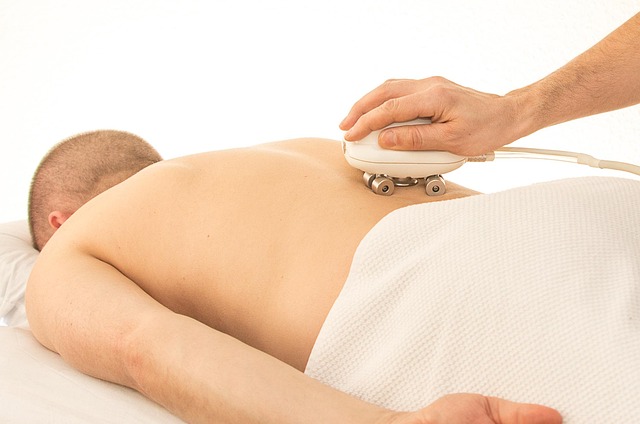
The goal of ROM therapy is to gently stretch and strengthen muscles, tendons, and ligaments around affected joints. Chiropractors utilize specific techniques, such as spinal manipulation and soft-tissue massage, to address joint fixations and scar tissue formation, common after car crashes. For instance, a study published in the Journal of Chiropractic Medicine found that patients who underwent chiropractic care along with ROM exercises experienced greater pain reduction and improved knee ROM compared to those receiving only conventional treatment. This highlights the synergistic effect of combining chiropractic adjustments with targeted motion therapy.
Implementing a structured ROM program under professional guidance is essential for optimal recovery. Chiropractors can design personalized routines, incorporating activities like gentle stretching, progressive resistance exercises, and myofascial release techniques. Regular practice enhances circulation, encourages tissue repair, and promotes the natural healing process. As patients progress, more advanced movements can be introduced to gradually restore full functional range. It is crucial to adhere to a consistent routine, allowing the body to adapt and recover over time.
Chiropractic Approaches for Optimal Recovery

Chiropractic care offers a nuanced and effective approach to managing pain and improving recovery after car crash injuries, with a particular focus on range of motion therapy. Chiropractic professionals are experts in diagnosing and treating musculoskeletal disorders, and they play a vital role in helping individuals recover from the often complex effects of motor vehicle accidents. The primary goal is to restore proper alignment and function to the body, which can significantly impact a patient’s overall well-being and quality of life post-injury.
Range of motion therapy after car crash injuries is a key component of chiropractic care. Chiropractic manipulation, combined with specific exercises, aims to enhance flexibility, reduce stiffness, and improve the affected joints’ mobility. This therapy is particularly beneficial for individuals who have suffered whiplash or other neck and back injuries commonly associated with car accidents. Research indicates that early intervention with chiropractic adjustments can lead to better outcomes, including reduced pain and improved functional recovery. For instance, a study published in the Journal of Manipulative and Physiological Therapeutics found that patients who received chiropractic care within the first 48 hours of a whiplash injury experienced faster recovery times and lower levels of disability compared to those who delayed treatment.
Chiropractors employ various techniques to address range of motion restrictions, including manual adjustments, soft tissue therapy, and individualized exercise programs. These methods are tailored to each patient’s specific needs, taking into account the severity of their injuries and overall health. Additionally, chiropractic care emphasizes the importance of education and empowerment, teaching patients about self-care strategies and proper body mechanics to prevent future injuries. By combining advanced treatments with patient education, chiropractors facilitate optimal recovery and enable individuals to regain control over their physical well-being after a car crash.
Range of motion therapy after car crash injuries plays a pivotal role in optimal recovery, as highlighted by both passive and active ROM treatments. Passive techniques, such as manual manipulation and stretching, offer immediate relief and improved flexibility, while active exercises empower patients to regain control and strength. Chiropractic approaches integrate these methods, focusing on the body’s natural healing ability. Key takeaways include the importance of personalized treatment plans, regular sessions, and patient education. For car crash survivors, incorporating range of motion therapy into their rehabilitation regimen, guided by chiropractic professionals, can significantly enhance mobility, alleviate pain, and expedite recovery, ultimately promoting a return to an active lifestyle.