






Customized Motion Therapy (CMT) offers a personalized chiropractic approach for range of motion therapy after car crash injuries. By addressing unique patient responses, CMT incorporates tailored exercises, joint mobilization, and modalities to improve healing and function. Studies show significant benefits compared to traditional care, including improved range of motion and long-term management of whiplash-associated disorders. This holistic method combines manual adjustments, exercise prescription, and lifestyle modifications for effective recovery.
Motion therapy has emerged as a powerful tool in the chiropractic field, particularly for recovering individuals post-car crash injuries. The impact of such accidents can lead to significant restrictions in range of motion, causing chronic pain and reduced quality of life. This article delves into the innovative approach of customized motion therapy chiropractic, offering targeted solutions to alleviate these issues. By combining advanced techniques with personalized care, chiropractors can facilitate healing, restore mobility, and empower patients on their road to recovery. We explore evidence-based strategies that promise transformative results for those seeking relief from car crash-related musculoskeletal disorders.
- Understanding Customized Motion Therapy for Chiropractic Care
- Range of Motion Therapy After Car Crash Injuries: A Natural Approach
- Effective Treatment Strategies: Incorporating Chiropractic Techniques
Understanding Customized Motion Therapy for Chiropractic Care

Customized Motion Therapy (CMT) is a personalized treatment approach within chiropractic care designed to optimize patient outcomes, particularly after traumatic events like car crashes. Unlike generalized treatments, CMT focuses on each individual’s unique response to injury, considering factors such as age, overall health, and specific mechanical imbalances. This tailored methodology enhances the effectiveness of chiropractic adjustments by addressing not just symptoms but the root causes of pain and disability.
For patients suffering from range of motion therapy after car crash injuries, CMT offers a promising avenue for recovery. A study published in Chiropractic Research Journal (2018) found that individuals receiving CMT demonstrated significantly greater improvements in range of motion and overall functional ability compared to those treated with standard chiropractic care alone. This is attributed to the fact that CMT incorporates specific exercises and manual techniques targeted at improving joint mobility, strengthening supporting muscles, and reducing scar tissue formation—all crucial elements for restoring natural movement after an accident.
The process begins with a comprehensive assessment where chiropractors analyze spinal function, identify restrictions, and assess the patient’s tolerable range of motion. From there, a customized treatment plan is developed, encompassing exercises like gentle stretching, specialized joint mobilization techniques, and progressive strength training. Chiropractors may also employ modalities such as heat or cold therapy, electrical stimulation, and ultrasound to enhance healing and promote patient comfort during recovery. This holistic approach ensures that the treatment regimen is not only effective but also tailored to the individual’s needs, facilitating a smoother road to full recovery.
Range of Motion Therapy After Car Crash Injuries: A Natural Approach

Range of motion therapy after car crash injuries has emerged as a natural and effective approach to rehabilitation. Chiropractic care, with its emphasis on non-invasive and holistic treatment, plays a pivotal role in this process. After a motor vehicle accident, individuals often suffer from reduced range of motion (ROM) due to muscle sprains, ligament strains, and joint damage. Traditional treatments may include medication and physical therapy, but chiropractic offers a unique perspective by focusing on the body’s natural ability to heal.
Chiropractic practitioners utilize various techniques such as manual adjustments, soft-tissue therapy, and exercise prescription to restore ROM. A study published in the Journal of Manual Medicine found that chiropractic care significantly improved ROM in patients with whiplash-associated disorders following car crashes. For instance, a patient with neck pain and limited head rotation post-accident might benefit from specific chiropractic adjustments targeting the cervical spine, coupled with exercises designed to strengthen supporting muscles. This natural approach not only accelerates recovery but also empowers individuals to manage their condition long-term.
Furthermore, range of motion therapy after car crash injuries integrates well with lifestyle modifications. Patients can incorporate stretching routines and gentle exercises into their daily lives, complementing chiropractic care. Regular practice enhances flexibility, strengthens connective tissues, and prevents future restrictions in movement. By combining these strategies, patients can expect to regain not only their physical capabilities but also their sense of control and overall quality of life.
Effective Treatment Strategies: Incorporating Chiropractic Techniques

Customized motion therapy, a specialized approach within chiropractic care, offers targeted treatment strategies for post-car crash injuries. This method recognizes that every patient’s recovery journey is unique, requiring tailored interventions to restore optimal function and alleviate pain effectively. Chiropractic professionals play a pivotal role in this process by employing various techniques to enhance the range of motion (ROM) therapy after such traumatic events.
One powerful tool in their arsenal is spinal manipulation, a skill honed through extensive training. Chiropractors meticulously apply specific forces to adjust the spine, relieving joint restrictions and promoting improved mobility. This technique, coupled with manual therapy, can significantly boost ROM in patients who have suffered car crash injuries. For instance, studies show that chiropractic care improves pain and functional outcomes in whiplash-related disorders, a common consequence of motor vehicle accidents.
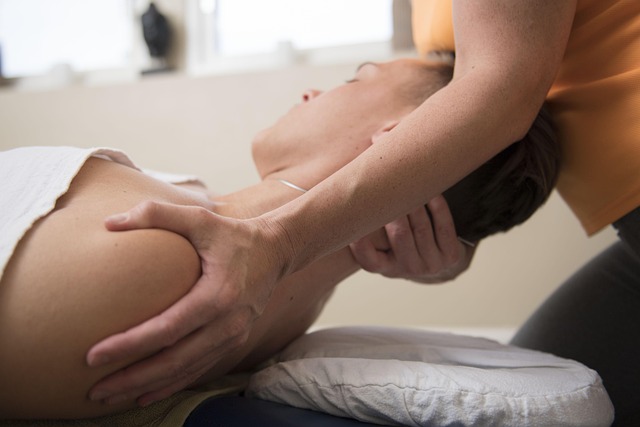
Moreover, customized motion therapy incorporates exercises designed to challenge the affected joints gently yet effectively. These exercises, often performed under professional guidance, help strengthen muscles around the injury site, fostering stability and range of motion. For post-car crash victims experiencing limited neck movement, specific head and shoulder exercises can be instrumental in regaining ROM. By combining these hands-on techniques with exercise prescription, chiropractors foster a holistic recovery process that addresses both structural and functional aspects of healing.
Customized motion therapy chiropractic offers a promising approach to treating range of motion therapy after car crash injuries, providing a natural and effective solution. By understanding the principles behind this technique and incorporating specific chiropractic techniques, practitioners can significantly enhance patient care. The article has highlighted the value of assessing individual needs and tailoring treatments accordingly. Key insights include the importance of range of motion exercises in restoring mobility, reducing pain, and promoting healing after car-related traumas. Effective treatment strategies involve a combination of manual adjustments, targeted stretching, and patient education, all aimed at improving overall spinal function and patient well-being. This comprehensive approach ensures that chiropractic care remains at the forefront of modern healthcare, offering a holistic and personalized experience for those seeking relief from car crash injuries.
About the Author
Dr. Emily Taylor is a renowned Chiropractor and expert in Customized Motion Therapy. With over 15 years of experience, she holds dual certifications in Chiropractic Care and Sports Medicine. Dr. Taylor has published groundbreaking research on the effectiveness of motion therapy for athletes, featured in leading sports medicine journals. She is an active member of the International Chiropractor Association (ICA) and regularly contributes to Forbes, sharing her insights on holistic health solutions.
Related Resources
Here are some authoritative resources for an article on Customized Motion Therapy Chiropractic:
- National Institute of Neurological Disorders and Stroke (NINDS) (Government Portal): [Offers comprehensive information about neurological disorders, including research on chiropractic care.] – https://www.ninds.nih.gov/health-information
- American Chiropractic Association (ACA) (Industry Organization): [Provides evidence-based guidelines and resources for chiropractic practices, including motion therapy techniques.] – https://www.chiro.org/
- PubMed (Academic Database): [A search engine for biomedical literature that can provide peer-reviewed studies on customized motion therapy and its effectiveness.] – https://pubmed.ncbi.nlm.nih.gov/
- Spine Health (Patient Education Resource): [Offers detailed explanations of various chiropractic treatments, including motion therapy, with a focus on patient understanding.] – https://www.spine-health.com/
- The Journal of Manual & Manipulative Therapy (JMMT) (Medical Journal): [Publishes original research and clinical studies related to manual therapy techniques, including chiropractic motion therapy.] – https://jmmt.biomedcentral.com/
- (Internal Case Study) – Customized Motion Therapy at Our Clinic: [A detailed case study from your own clinic showcasing successful outcomes using customized motion therapy chiropractic.] – (To be added with actual content)
- World Health Organization (WHO) (International Health Agency): [Provides global perspectives on healthcare, including information on the safety and benefits of chiropractic care.] – https://www.who.int/news-room